Introduction
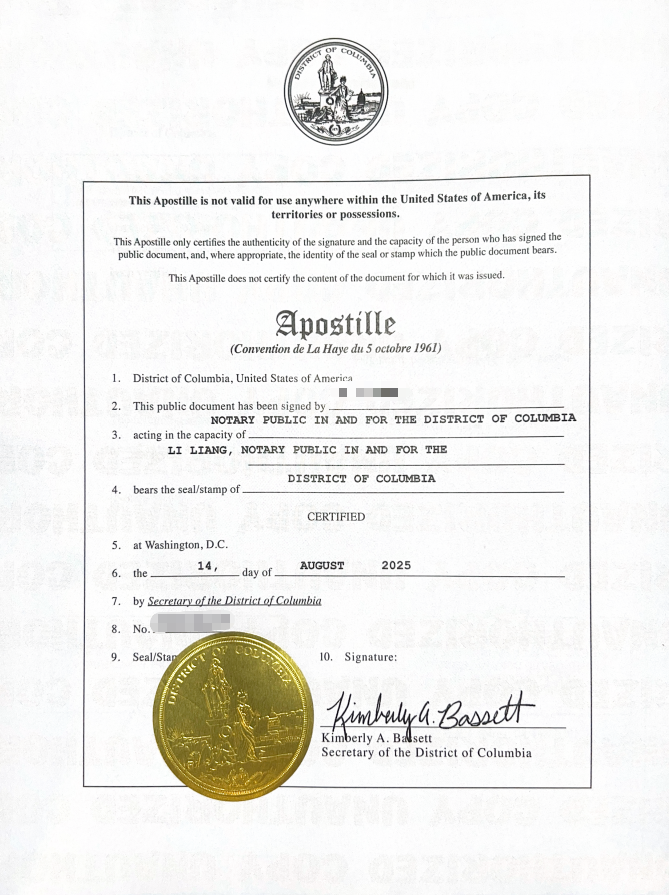
Professionals who need to use U.S.-issued public documents abroad often face a single recurring problem: how to demonstrate a document's authenticity quickly and correctly. For documents originating in the District of Wyoming, this requires understanding the apostille process and the specific procedural steps that apply. This article explains that problem, provides a step-by-step practical approach, includes a hypothetical work example, and offers actionable takeaways you can apply immediately.
The Core Problem: Verifying Document Authenticity for International Use
The issue commonly arises when corporations, legal practitioners, human resources teams, or individuals must present documents such as corporate certificates, notarized affidavits, or academic transcripts to authorities in another country. Foreign authorities often require an apostille to confirm that a document is genuine and issued by a recognized U.S. authority. Confusion about where to obtain the apostille, what supporting steps are needed, and how to avoid common mistakes leads to delays and added costs.
Key Steps Specific to the District of Wyoming
While procedures can vary by jurisdiction, the practical sequence for documents originating in the District of Wyoming typically includes:
- Identify the document type (e.g., notarized affidavit, court order, public record) and whether it requires a state or federal authentication.
- Confirm whether the notary or issuing official in Wyoming followed state notarization rules and signed with an official capacity that the Secretary of State recognizes.
- Prepare the original document(s) and any required cover letter or submission form that the issuing office requires.
- Submit the document to the appropriate Wyoming authority for the apostille, adhering to any local submission requirements.
- Track processing times and arrange secure delivery to the foreign recipient once the apostille is attached.
Hypothetical Work Example
Scenario: A Wyoming-based company needs to register a branch in Spain and must provide a certified copy of its Articles of Organization, notarized and apostilled.
- Document preparation: The company obtains a certified copy of its Articles from the Wyoming Secretary of State. The notary public certifies the signature if required.
- Verification: The administrative assistant checks that the notary’s commission is valid and that the notary’s signature and seal are present.
- Submission: The company submits the certified copy to the office that issues apostilles in Wyoming, following the office’s submission checklist (payment method, contact information, and return envelope).
- Follow-up: The assistant notes expected processing times and sets reminders for confirmation. Once the apostille is attached, the company sends the document to Spain by tracked courier.
This example highlights the importance of correct certification, careful verification of notary details, and proper submission procedures to avoid rejections or delays.
Common Pitfalls and How to Avoid Them
Some frequent mistakes include:
- Submitting an uncertified copy instead of a certified copy.
- Not verifying the notary’s commission status or missing a required seal.
- Failing to include required forms or payment, which can halt processing.
- Assuming uniform rules across jurisdictions—state-specific rules matter.
To reduce risk: create a checklist tailored to documents from the District of Wyoming, double-check signature and seal requirements, and allow extra time for processing and international shipping.
Actionable Takeaways
- Always confirm the exact document type and whether the foreign authority requires an apostille versus another form of authentication.
- Verify notary credentials and the presence of required seals before submission.
- Use a submission checklist that includes payment, contact info, and return delivery preferences for the Wyoming apostille office.
- Keep digital copies and tracking numbers, and communicate expected timelines to recipients abroad.
- When in doubt, consult a focused resource that explains the Wyoming-specific process with examples and practice questions to prepare for edge cases.
Further Learning
For professionals who want a structured reference that covers procedures, real-world case studies, and practice questions specific to apostille processing, consider a concise guide tailored to the District of Wyoming. EasyPathUni provides a downloadable PDF package that explains the key steps, includes applied examples, and offers revision tools for quick reference. Learn more at Apostille Services – District of Wyoming, USA.
Next Steps
- Create a template checklist for apostille submissions from Wyoming-based documents.
- Run one internal test case with a non-critical document to validate your process and timelines.
- Document lessons learned and update the checklist to prevent repeat errors.
Understanding the apostille process for the District of Wyoming reduces delays and keeps international transactions on schedule. Apply the practical steps above to resolve the most common authenticity verification problem quickly and reliably.
Next step: View the course details and start learning.